Table of Contents
If you are searching for home window tinting near me, you are likely looking to improve comfort, reduce heat, protect interiors from UV damage, and gain privacy. Professional residential tinting can lower cooling costs, shield furnishings from fading, and enhance safety. This guide explains how to choose local providers, what tint options exist, and how to ensure you get an EEAT compliant, trustworthy experience.
Local installers understand regional climate, building codes, and common window types in your area. When you search for home window tinting near me, you should look for:
Geo-specific searches also help you compare quotes from nearby providers, read local reviews, and verify credentials faster.
Home window tinting offers several tangible benefits:
It is important to note that tinting does not block all heat, and some options may slightly reduce outside visibility at night. A reputable installer will tailor the tint to your climate, home orientation, and aesthetic preferences.
The right tint depends on goals such as energy savings, privacy, and glare control. Here is a quick comparison of common residential film types.
| Type | Key Benefits | Privacy | UV Rejection | Energy Impact | Notes |
|---|---|---|---|---|---|
| Dyed Window Film | Good color stability; cost-effective | Low to moderate | Excellent UV rejection | Moderate energy savings | Can fade over time; may bubble if poorly installed |
| Metalized Film | Strong heat rejection; premium appearance | High privacy | High UV rejection | Significant energy savings | Can interfere with sensors and devices |
| Ceramic Tint | Excellent heat control; non-metallic | High privacy options | Excellent UV rejection | Strong energy savings | Higher upfront cost, but long-term value |
| Low-E Coated Film | Integrated energy efficiency | Variable privacy | Excellent UV rejection | Best energy performance | Typically used on energy-conscious homes |
| Privacy/Decorative Film | Decorative patterns; privacy boost | High | Moderate UV rejection | Low to moderate | May be chosen for aesthetic impact |
Discuss your goals with the installer to pick a film that aligns with your budget, climate, and home design. In general, ceramic and Low-E films offer strong energy benefits with better long-term performance compared with basic dyed films.
When you search for home window tinting near me, prioritize credibility and knowledge. Here are steps to evaluate providers:
Ask about guarantees on film longevity, fading, or bubbling, and whether removal is included if you decide to switch films later. A transparent provider will outline maintenance recommendations and expected performance in your climate.
Professional installation typically follows these steps:
Most residential tinting projects can be completed in one day, depending on the size of your home and number of windows. A good installer will minimize disruption and provide aftercare instructions to maximize film life.
Proper maintenance extends film life. Clean with a soft cloth and a gentle cleaner, and avoid abrasive tools that can scratch the surface. Do not use ammonia-based cleaners, as they may degrade certain films over time. Address any bubbling or peeling promptly with your installer under warranty.
Costs vary by film type, window size, and labor. Typical residential tinting ranges from a few hundred to a few thousand dollars for an entire home. While upfront expenses matter, the long-term energy savings and furniture protection can provide a favorable return on investment over several years, especially in sunny or hot climates. When comparing quotes, consider not only price but warranty, film type, and installer experience.
Conclusion, choosing the right local home window tinting near me provider combines research, credible credentials, and a clear understanding of film options. A certified installer with transparent pricing, solid warranties, and strong local references can deliver meaningful energy savings, improved comfort, and enhanced privacy while preserving your home’s aesthetics. By evaluating options, reading reviews, and confirming post installation support, you can confidently select a tinting solution that stands the test of time.
More insights on bathroom, roofing, and window remodeling
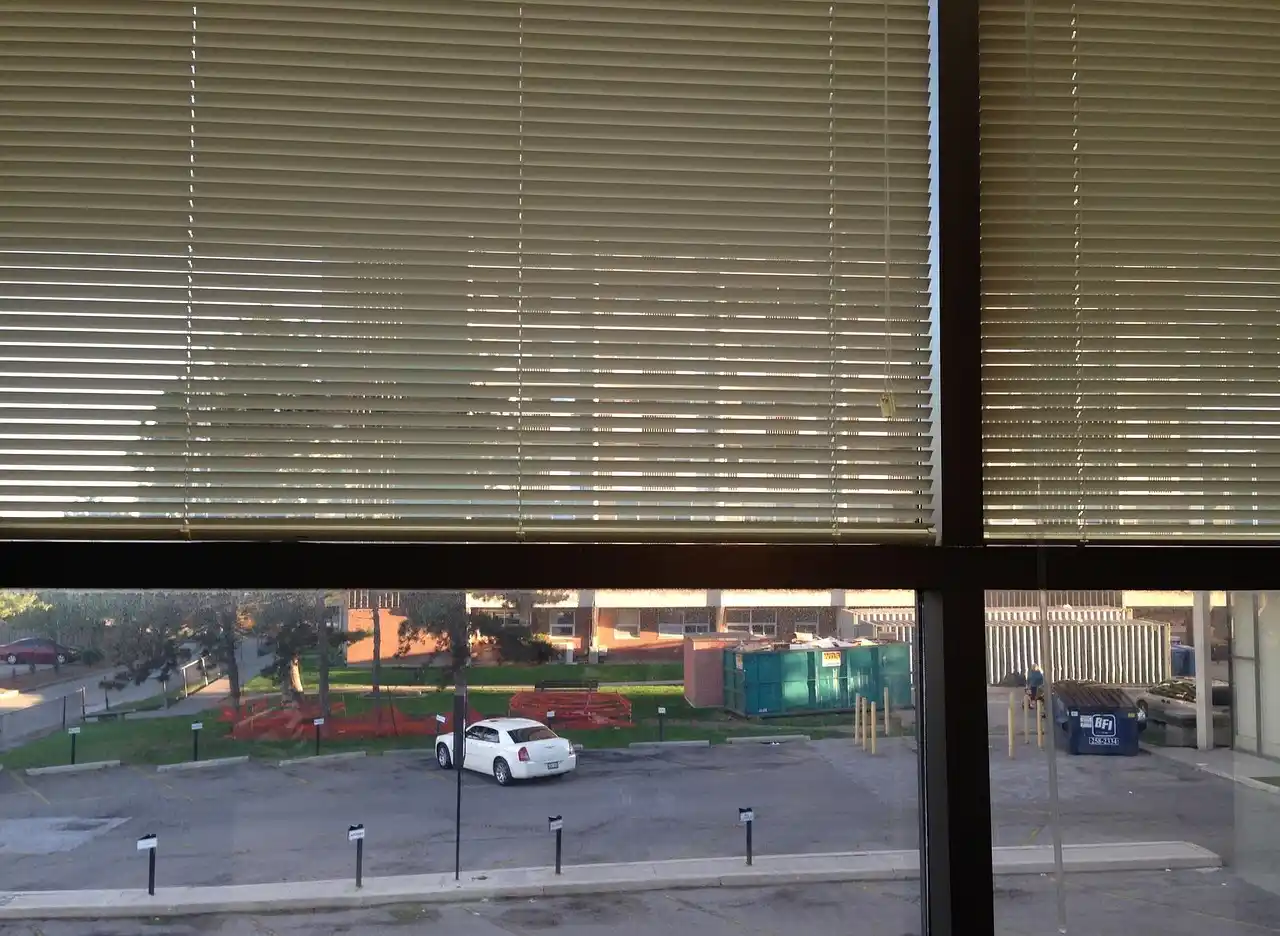
Home window tinting guide covering benefits, types, costs, and installation tips
Read More →
Learn home window repair essentials, safety tips, and professional options for durable, energy-efficient results.
Read More →