
Table of Contents
Roofing is a critical component of a safe, comfortable home. When roof repairs are needed, acting quickly protects your interior, preserves energy efficiency, and preserves property value. This guide explains the essentials of roofing and roof repairs, helps homeowners recognize problems early, and shows how to choose qualified professionals with the right credentials to deliver durable results.
Roofing refers to the system of materials that protects a building from the elements, typically including shingles or tiles, underlayment, and ventilation. Roof repairs are targeted fixes to small leaks, damaged flashing, or broken shingles that do not require a full replacement. Knowing the difference helps homeowners budget wisely and decide when to call a professional.
Damage can stem from weather, aging, and installation quality. High winds, hail, and heavy snowfall can loosen shingles and damage flashing. Asphalt shingles typically last 20 to 25 years, while metal, slate, or tile roofs may exceed 50 years with proper maintenance. Poor ventilation, improper installation, and clogged gutters accelerate wear and can lead to leaks.
Deciding between repair and replacement depends on age, extent of damage, and cost. For older roofs with widespread deterioration or multiple leaks, replacement often provides better long-term value and energy efficiency. If damage is isolated (a few shingles or flashing), a timely repair can extend life at a lower upfront cost. A licensed roofer can assess the roof’s overall health and provide a written estimate with options.
EEAT in roofing means selecting a contractor with demonstrated expertise, legitimate credentials, and trustworthy processes. Look for:
Ask questions about the materials, vapor barriers, ventilation, and roof decking. A transparent contractor will explain options, timelines, and how they handle unexpected issues. Scheduling a pre-project walkthrough helps ensure all parties agree on expectations.
Choice of material affects durability, aesthetics, and cost. Common options include:
Energy efficiency and home performance should also factor into decisions, including insulation, attic air sealing, and ventilation. A qualified contractor can help you balance upfront cost with long-term savings.
Proactive maintenance reduces emergency repairs and extends roof life. Consider:
Costs vary by roof size, material, location, and damage severity. Rough ranges include:
Keep a contingency for unforeseen issues such as decking replacement or flashing upgrades. Insurance claims, roof slope, and accessibility can also impact pricing.
| Service | Typical Cost Range | Lifespan/Duration | Pros | Cons |
|---|---|---|---|---|
| Roof Repair | 300-1500 | 2-5 years for localized issues | Low upfront cost, quick fix | May need future repairs |
| Roof Replacement | 5000-15000 | 15-50+ years depending on material | Long-term protection, improved energy efficiency | High upfront cost, longer disruption |
| Maintenance | 150-1000/year | Ongoing | Extends life, prevents leaks | Does not repair existing damage |
| Emergency Fix | 500-3000 | Temporary varies | Stops leaks fast | Temporary; may require further work |
Roofing is a long-term investment in comfort, safety, and home value. By recognizing signs of damage early, understanding repair vs replacement options, and hiring a licensed, reputable contractor, homeowners can achieve durable results. Regular maintenance, careful material selection, and a strong warranty are essential components of a best-practice approach to roofing and roof repairs.
Summary: Proper roofing care combines timely repairs, quality materials, and professional installation to maximize lifespan and protect your home. By understanding signs, costs, and choosing a qualified contractor, homeowners can ensure durable results.
More insights on bathroom, roofing, and window remodeling
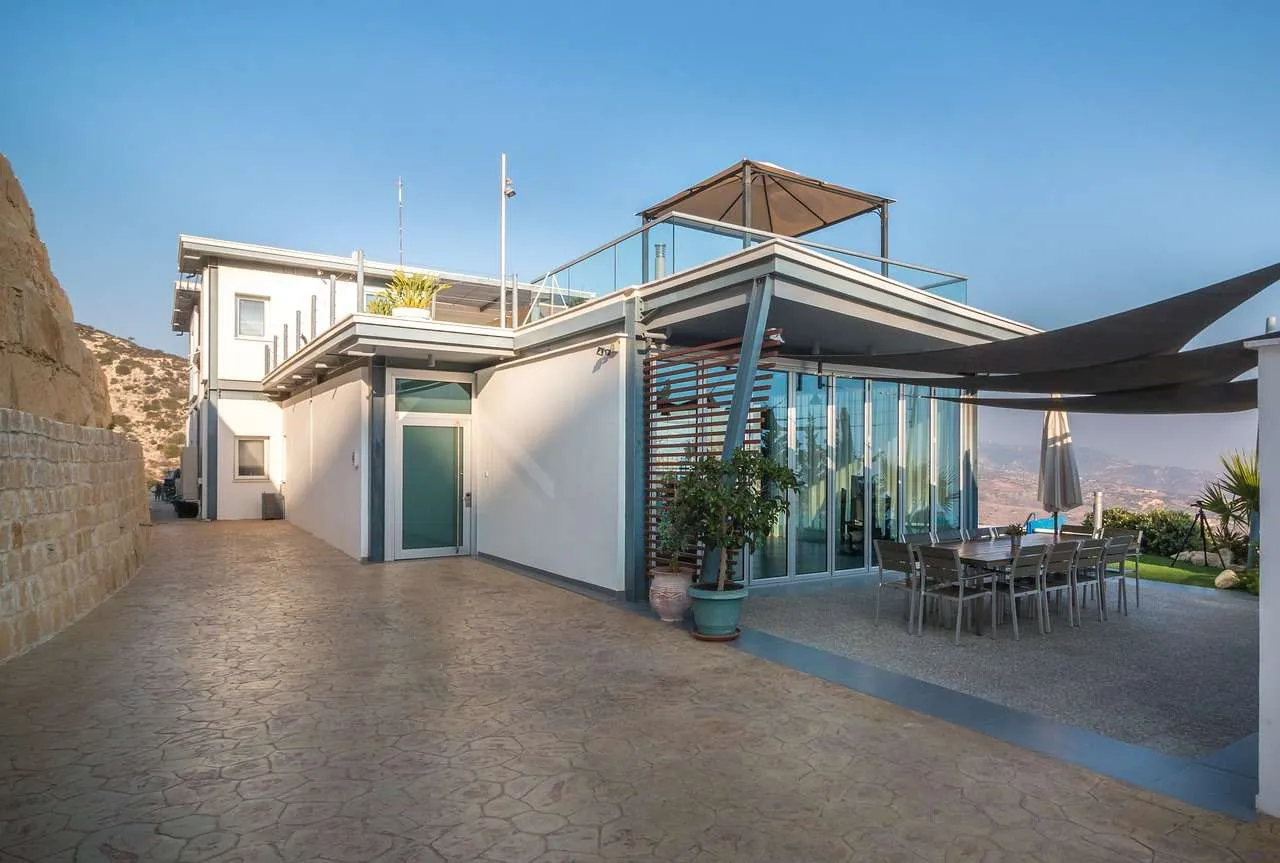
Explore tpo roofing essentials, benefits, and maintenance for energy-efficient flat roofs.
Read More →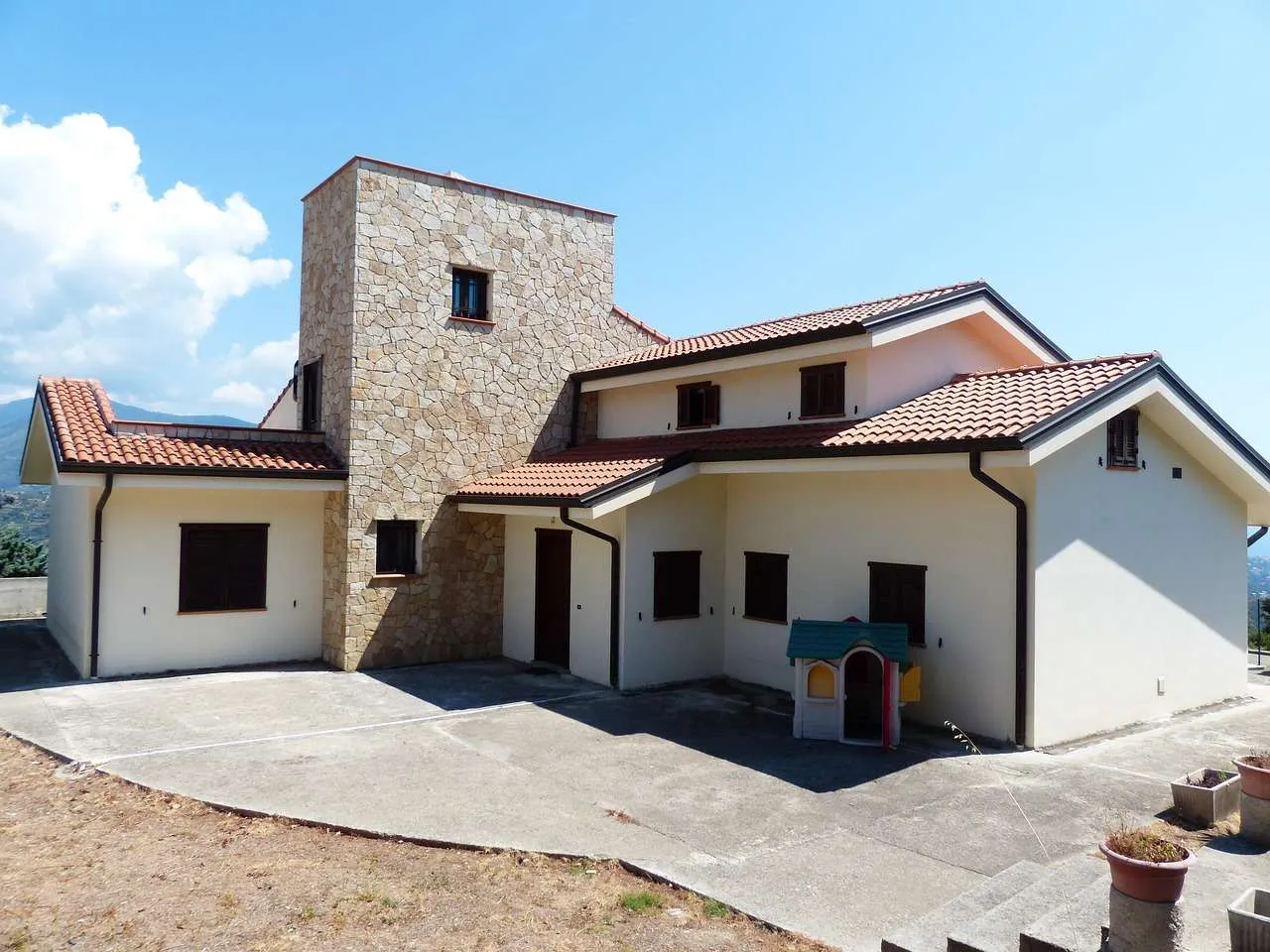
Learn repair of roofing: signs, methods, costs, and when to hire pros for safe fixes.
Read More →