As an experienced design professional, I know that small bathroom ideas require a balance of style and strategy. The goal is to create a room that feels larger, functions well daily, and ages gracefully with your home. This guide compiles proven approaches for optimizing space, storage, lighting, and materials, so you can implement them with confidence.
Smart Layout Principles for Small Bathrooms
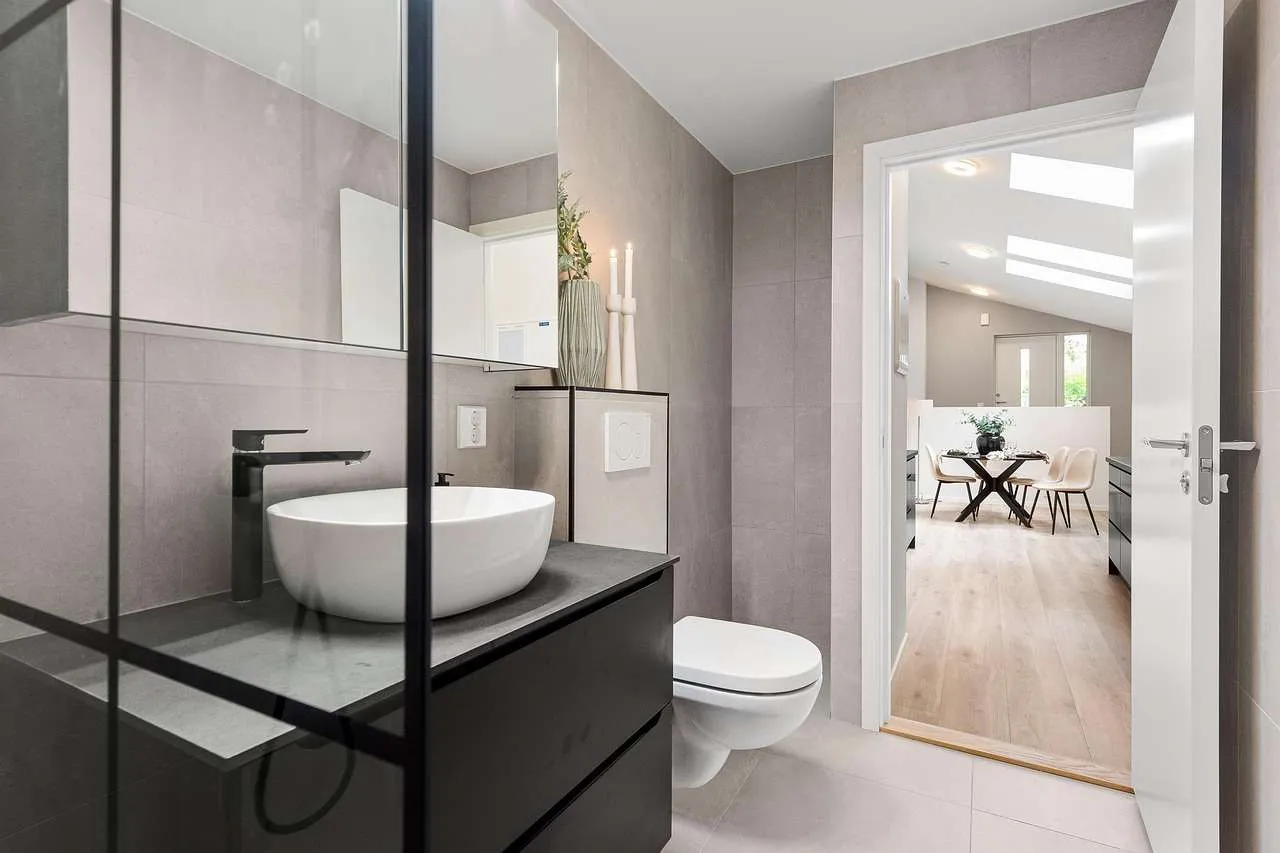
Efficient layouts unlock space perception and flow. Start by mapping the door swing, plumbing walls, and the positions of the toilet and shower or tub. In tight baths, a pocket or sliding entry eliminates the need for clearance that a conventional door requires. Consider placing the vanity against a longer wall and the shower in a corner to keep the path clear. Wall-hung fixtures create an illusion of more floor area, while a compact vanity with a small countertop can reduce visual bulk.
Zoning and Traffic Flow
Divide the room into zones for wet and dry activities. Keep the shower or tub separated from the vanity by a glass screen that does not overwhelm sightlines. Plan for generous clearance around the toilet—at least 15 inches from each side and 24 inches in front where possible. This zoning helps you use every inch of width without feeling cramped, and it makes daily routines calmer and safer.
Floating Vanities and Wall-Hung Fixtures
A wall-hung vanity and toilet create the perception of more space. The open space beneath the vanity reflects light and makes floor surfaces more legible. Choose a vanity with integrated storage and slim profiles, and pair it with a wall-hung toilet if plumbing permits. Mirrors mounted to the wall without bulky frames also increase the sense of airiness.
Storage Solutions That Free Up Space
Vertical Storage and Recessed Shelves
Utilize vertical space with tall recessed niches in the shower, narrow medicine cabinets, and tall linen towers beside the vanity. Recessed shelves reduce clutter without protruding fixtures, keeping the floor clear for cleaning and movement. Inside drawers use dividers to maintain order and minimize clutter on surfaces.
Corners, Niches, and Medicine Cabinets
Corner units, corner sinks, and recessed medicine cabinets keep essential items accessible yet unobtrusive. Use waterproof organizers inside the cabinet to maintain order and reduce the need for extra storage furniture that encroaches on floor space. If possible, install a shallow vanity with hidden compartments to keep daily essentials out of sight.
Light, Color, and Materials
Light Colors and Reflective Surfaces
Light neutral tones, glossy tiles, and large mirrors broaden perception of space. A high-gloss tile with a subtle gloss or a frameless mirror reflects light from overhead fixtures, making the room feel brighter and more open. Consider frosted glass for shower walls to preserve privacy without darkening the room. Choose venting-friendly finishes that clean easily and resist moisture.
Non-slip Floors and Moisture-Resistant Materials
Choose flooring that is both slip-resistant and moisture resistant, such as porcelain or ceramic with a matte or softly textured finish. Waterproof paneling or cement boards behind tiling protect walls and simplify maintenance, which matters when space is limited and cleaning routines are frequent. Avoid busy patterns that visually chop the space; opt for calming, continuous color transitions.
Fixtures and Hardware: Choosing Right Proportions
Compact Toilets and Slimline Showers
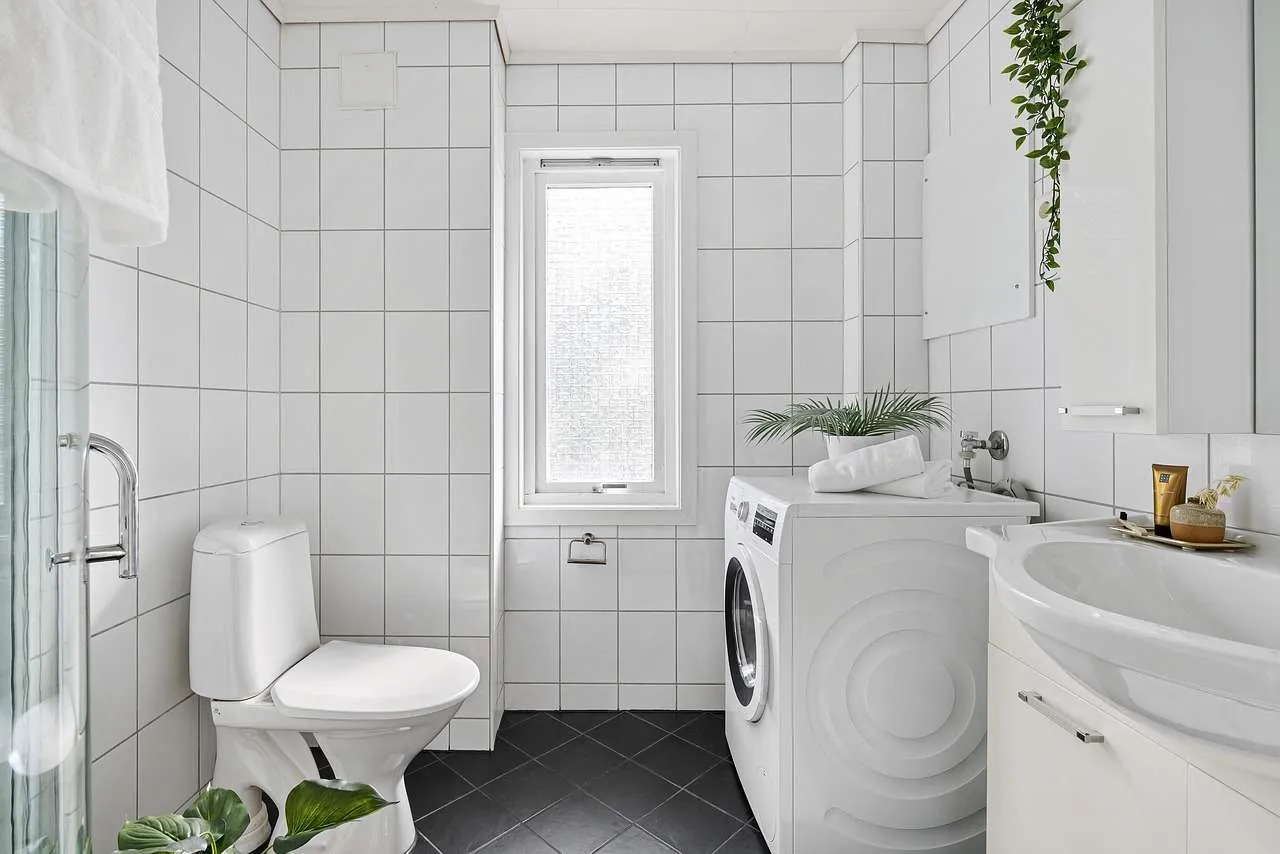
Compact or corner toilets reduce depth and improve sightlines. In showers, prefer a slim profile enclosure or a curved corner quadrant to maximize wet area while preserving visual openness. When possible, install a frameless glass shower door to minimize visual clutter. Ensure the enclosure has a secure seal and good ventilation to prevent moisture buildup.
Smart Faucets and Space-Saving Mirrors
Single-handle or sensor faucets avoid bulky deck space. A medicine cabinet with integrated lighting or a backlit mirror adds depth while providing niche storage. If possible, install a shallow sink that fits neatly under the vanity and keeps counter surfaces uncluttered. Opt for wall-mounted storage solutions to keep the floor clear for cleaning.
Pro Tips for Implementation
Working with the Space
Coordinate with licensed professionals when modifying plumbing or electrical circuits. Provide a realistic timeline and budget, and measure twice before ordering fixtures. Use moisture barriers, proper ventilation, and appropriate waterproofing to protect the walls and floors over time. Document changes to ensure future renovations are straightforward.
Maintaining Cleanability
Design for easy cleaning: straight lines, removable panels, and minimal grout where feasible. Choose larger tiles to reduce grout lines, and seal joints regularly to prevent mold growth. Keep a simple, accessible cleaning caddy with basic supplies to encourage regular maintenance, which is essential in small spaces.
Budget-Friendly Ideas and Quick Transformations
Paint, Hardware, and Accessories
Fresh paint in a light hue, updated hardware, and new accessories can transform a small bathroom at a modest cost. Consider semi-gloss paint for walls and ceilings to improve washability. Replace knobs and pulls with sleek, moisture-resistant finishes, and use cohesive metal tones across fixtures to unify the space. Add a simple, weather-resistant rug to define the dry zone without crowding the area.
Comparison Table: Quick Ideas by Impact
| Idea | Space Saved | Cost | Difficulty | Best For |
|---|---|---|---|---|
| Pocket door or sliding entry | High | Low–Medium | Medium | Very small or narrow layouts |
| Wall-hung vanity | Medium | Medium | Medium | Visible floor area |
| Recessed shower niche | Low–Medium | Low | Low | Storage near shower |
| Light colors and large tiles | High aesthetic and perceived space | Low–Medium | Low | Overall look |
Summary: By combining smart layout, strategic storage, light colors, and modern fixtures, a small bathroom can feel larger, be more functional, and stay stylish for years to come. Focus on flow, vertical storage, and reflective surfaces to maximize every inch without sacrificing comfort or durability.